

Collagen Supplementation in Skin and Orthopedic Diseases: A Review
Comprehensive review discussing collagen’s effects on skin, connective tissue, and joint health.


Collagen Supplementation in Skin and Orthopedic Diseases: A Review (PMC10102402) is a peer-reviewed academic paper examining the therapeutic role of collagen supplements in dermatologic and musculoskeletal health. It synthesizes preclinical and clinical evidence on collagen’s efficacy for skin aging, wound healing, osteoarthritis, and bone metabolism, aiming to clarify biological mechanisms and clinical utility.
Key facts
Published in: International Journal of Molecular Sciences (2023)
Authors: Agata Płotka-Wasylka et al.
DOI: 10.3390/ijms24087178
PMCID: PMC10102402
Focus: Collagen’s structural, biochemical, and therapeutic impact on skin and joint tissues
Background and Composition
Collagen, the body’s most abundant structural protein, is integral to skin elasticity and connective-tissue integrity. The review outlines collagen’s molecular diversity—types I, II, and III being most relevant—and its degradation during aging and disease. Hydrolyzed collagen peptides, derived from animal or marine sources, are highlighted for their superior bioavailability compared with native collagen.
Mechanisms of Action
The paper details how ingested collagen peptides are absorbed as di- and tri-peptides, which can stimulate fibroblasts, chondrocytes, and osteoblasts through receptor-mediated signaling. This biological cascade promotes extracellular-matrix synthesis and reduces inflammatory mediators, theoretically improving tissue repair and elasticity.
Clinical Applications

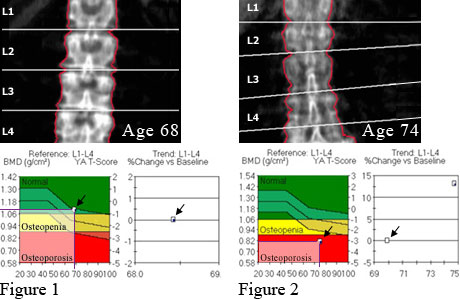
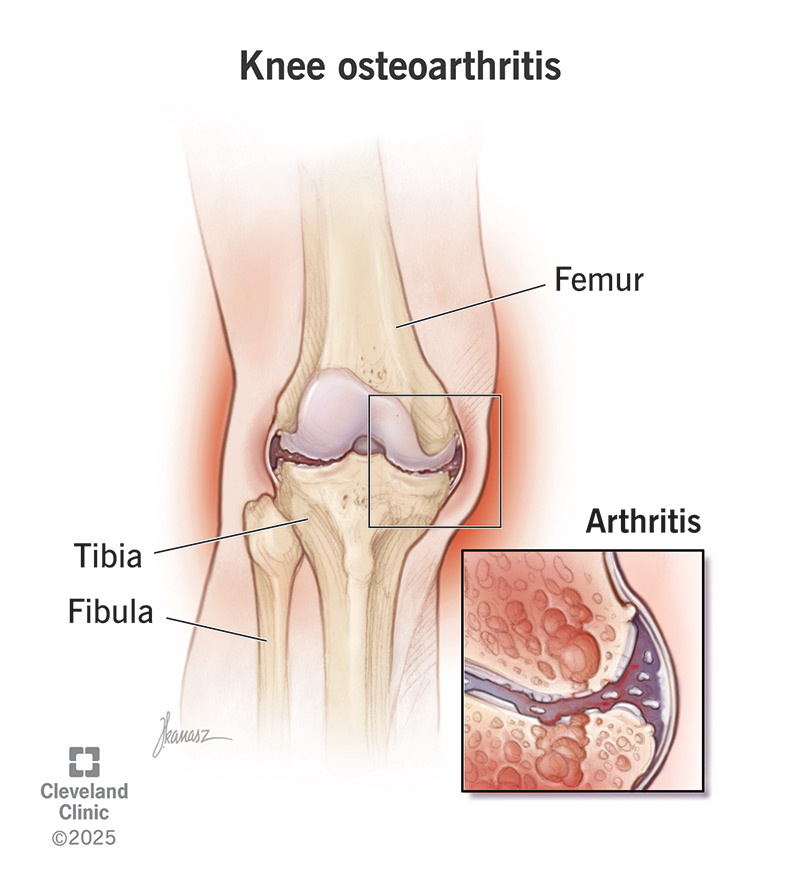
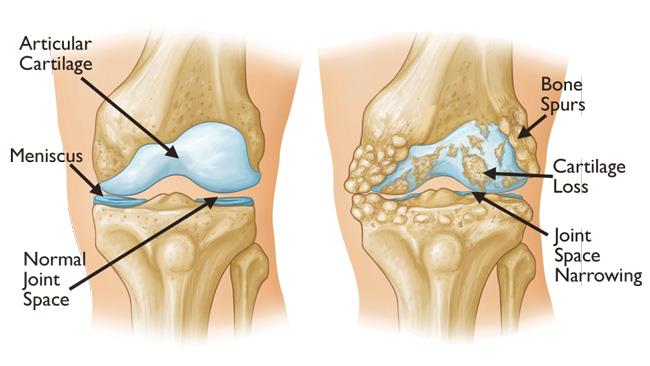
Clinical trials summarized in the review report modest but consistent benefits of collagen supplementation in reducing wrinkles, enhancing skin hydration, and improving joint pain and mobility in osteoarthritis. The review also discusses potential roles in osteoporosis prevention and wound healing, noting variations in dosage, peptide source, and trial quality.
Limitations and Future Directions
While results are promising, the authors emphasize heterogeneity in study design, small sample sizes, and limited long-term safety data. They recommend standardized clinical protocols and deeper exploration of collagen metabolism pathways to substantiate therapeutic claims and optimize supplementation strategies.