

Exploring the Impact of Hydrolyzed Collagen Oral Supplementation on Skin Rejuvenation
Clinical evidence showing that oral collagen peptides can improve dermal density, hydration, and elasticity
.


This 2023 academic paper (Journal of Clinical Medicine; PMID: PMC10773595) examines how oral hydrolyzed collagen (HC) supplementation influences markers of skin rejuvenation in humans. It integrates evidence from clinical trials and biochemical analyses to assess collagen peptides’ effects on skin elasticity, hydration, and wrinkle reduction.
Key facts
- Publication year: 2023
- Journal: Journal of Clinical Medicine
- DOI/PMCID: PMC10773595
- Focus: Oral hydrolyzed collagen and skin aging biomarkers
- Study type: Narrative review of randomized controlled trials
Background and Rationale
Hydrolyzed collagen consists of short peptides derived from enzymatically broken-down collagen, improving gastrointestinal absorption. With aging, dermal collagen density and elasticity decline, contributing to visible wrinkles and dryness. Researchers have investigated oral HC supplementation as a strategy to restore collagen homeostasis by stimulating fibroblast activity and extracellular matrix synthesis.
Findings and Discussion
The paper summarizes evidence that oral HC (typically 2.5–10 g daily for 8–12 weeks) can enhance skin elasticity and hydration while reducing wrinkle depth in several randomized controlled studies. These benefits appear to stem from increased dermal collagen and hyaluronic acid content. However, variability among trials—related to dosage, source, and participant age—limits the strength of conclusions.
Mechanistic Insights

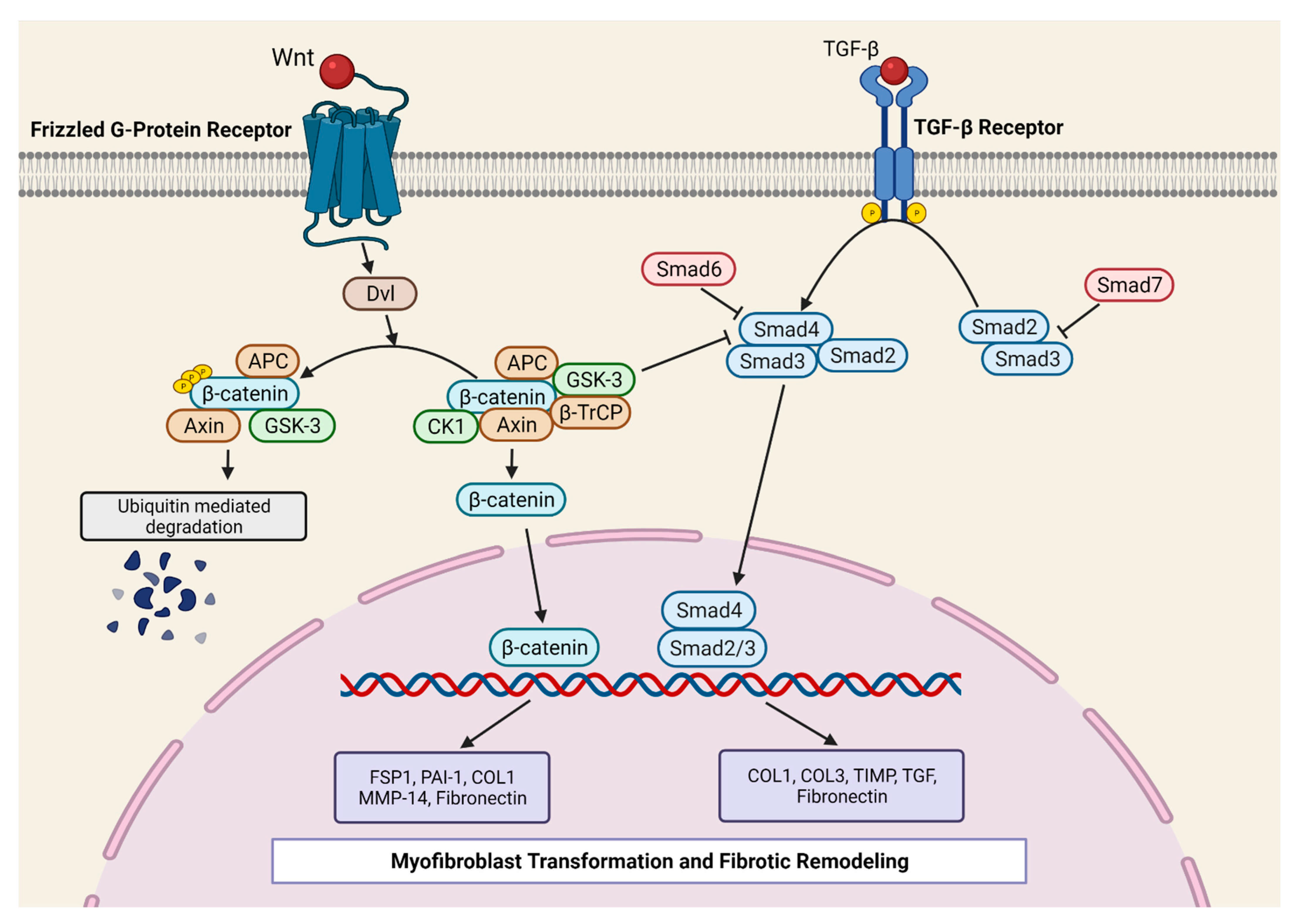


The authors highlight potential mechanisms involving collagen-derived di- and tripeptides (notably proline-hydroxyproline) that may act as signaling molecules, promoting fibroblast proliferation and collagen gene expression. These peptides can accumulate in the dermis following oral ingestion, supporting matrix remodeling and hydration through indirect stimulation of hyaluronic acid synthesis.
Limitations and Future Directions
The review calls for larger, long-term, placebo-controlled trials using standardized collagen formulations. It also recommends exploring bioavailability, peptide fingerprinting, and synergistic effects with other micronutrients (such as vitamin C and zinc) to optimize skin benefits and reproducibility of results.
Conclusion
The paper concludes that hydrolyzed collagen supplementation demonstrates promising but not yet definitive evidence for skin rejuvenation. While short-term cosmetic improvements are supported by emerging data, comprehensive mechanistic validation and consistency across studies remain essential for clinical recommendations.